Dear Readers:
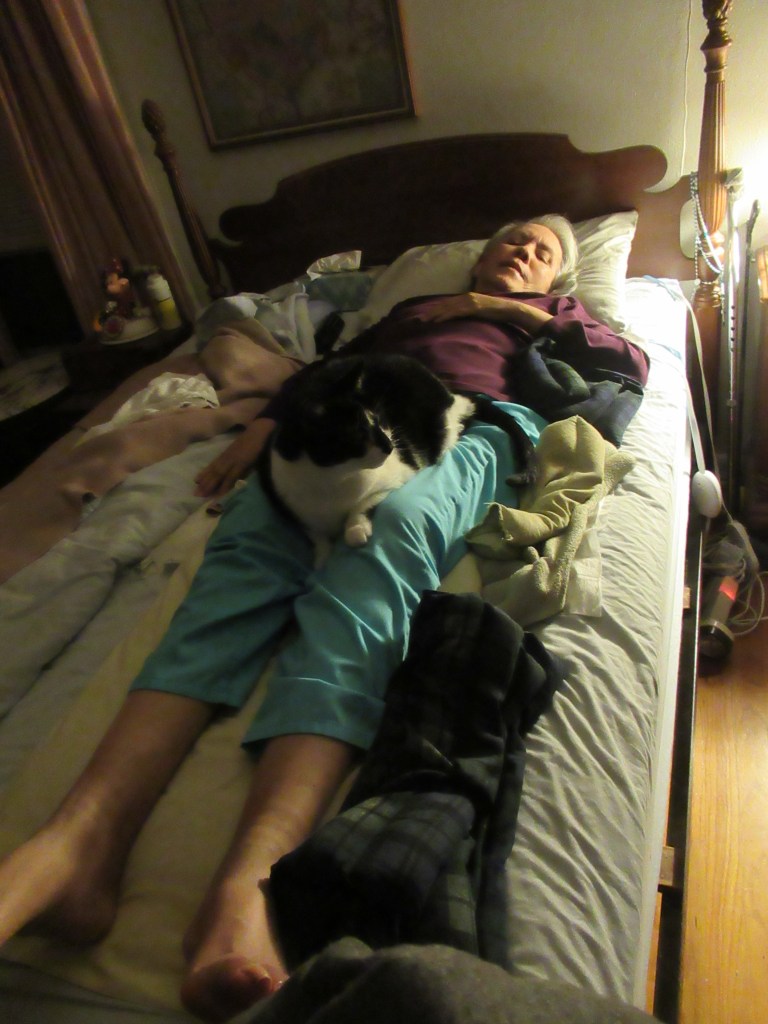
As usual, I’m behind schedule. I haven’t been able to discuss Labor Day, an important federal holiday, for many reasons, illness and taking care of my sister, who has Alzheimer’s. Fortunately, Labor Day is not over until midnight.
Before I talk about the history of Labor Day, I want to mention that I had a wonderful surprise from my dear neighbors. I was trying to relieve the pain in my back by lying down on cold packs on my bed when the phone rang. It was Jessica Woerner. This afternoon, about 2 p.m. the crew that regularly takes care of her yard was mowing my front lawn, and she called because they needed access to my backyard. I cried while I talked to her on the phone. (My husband hurt his back and hasn’t been able to take care of our yard, shrubs, etc.) What a lovely Labor Day this has been!
It’s almost time for supper, but I need to talk about my childhood and labor. I have mentioned that I grew up in an impoverished neighborhood and participated in the Medicaid program. I’m not sure how old I was when my affluent aunt needed help to pick cotton. Something had happened to the mechanical cotton harvester. That’s what I remember when she asked my family for help. I recall that we worked for a week, maybe more. I’m not sure since I was the youngest kid.
Every morning, mom, and four kids ( 2 boys and 2 girls) got a huge white bag.(Dad couldn’t help. He had to keep his shop running.) I swear it was the size of two large pillow cases. I was okay early morn, but as the day got old, that sack grew heavy, and it became a difficult object to drag through the rows of cotton plants. At the end of the day, the bags were weighed and we were paid a certain amount. I don’t remember how much we earned, though. But I’m sure I earned the least amount since my bag was not very full. What I recall is plucking cotton, from rebellious plants that scratched my delicate hands; being thirsty; and sweating buckets under that hot Rio Grande Valley sun. Plus, I was not dressed appropriately, no hat, no gloves. I sympathize with anybody who had to earn a living in this manner for years.
The following information comes from History.com,
Labor Day 2021 will occur on Monday, September 6. Labor Day pays tribute to the contributions and achievements of American workers and is traditionally observed on the first Monday in September. It was created by the labor movement in the late 19th century and became a federal holiday in 1894. Labor Day weekend also symbolizes the end of summer for many Americans, and is celebrated with parties, street parades and athletic events.
Why Do We Celebrate Labor Day?
Labor Day, an annual celebration of workers and their achievements, originated during one of American labor history’s most dismal chapters.
In the late 1800s, at the height of the Industrial Revolution in the United States, the average American worked 12-hour days and seven-day weeks in order to eke out a basic living. Despite restrictions in some states, children as young as 5 or 6 toiled in mills, factories and mines across the country, earning a fraction of their adult counterparts’ wages.
People of all ages, particularly the very poor and recent immigrants, often faced extremely unsafe working conditions, with insufficient access to fresh air, sanitary facilities and breaks.
As manufacturing increasingly supplanted agriculture as the wellspring of American employment, labor unions, which had first appeared in the late 18th century, grew more prominent and vocal. They began organizing strikes and rallies to protest poor conditions and compel employers to renegotiate hours and pay.
READ MORE: How a Deadly Railroad Strike Led to the Labor Day Holiday
Many of these events turned violent during this period, including the infamous Haymarket Riot of 1886, in which several Chicago policemen and workers were killed. Others gave rise to longstanding traditions: On September 5, 1882, 10,000 workers took unpaid time off to march from City Hall to Union Square in New York City, holding the first Labor Day parade in U.S. history.
The idea of a “workingmen’s holiday,” celebrated on the first Monday in September, caught on in other industrial centers across the country, and many states passed legislation recognizing it. Congress would not legalize the holiday until 12 years later, when a watershed moment in American labor history brought workers’ rights squarely into the public’s view. On May 11, 1894, employees of the Pullman Palace Car Company in Chicago went on strike to protest wage cuts and the firing of union representatives.
Wishing you a wonderful time today and forever. I hope we get rid of the Covid-19 Pandemic. Take care of yourselves, Dear Readers. Good Night.
 M. E. Murray